2027 Los Angeles / Two-Part In-Person
Foundation Training
The NeuroAffective Touch® training builds a vital bridge between our verbal and nonverbal selves to address the key elements of developmental deficits, emotional trauma, and attachment repair. NeuroAffective Touch is a somatic approach that integrates relational and psychodynamic psychotherapy with the therapeutic use of touch and somatic practices. Our approach transcends the limitations of talk therapy or body-centered work used separately and opens the way for post-trauma growth.
The training welcomes all professional practitioners who wish to integrate body and mind to resolve emotional and relational deficits and trauma. We invite and include psychotherapists, psychologists, social workers, and pre-licensed interns; certified bodyworkers, massage, and body-centered practitioners; addiction counselors; nurses, acupuncturists, allopathic, naturopathic, and holistic doctors; movement and yoga practitioners; and coaches.
In-Person Foundation Training in Los Angeles
- PART I • 6 days • Jan 29 ― Feb 3 • 2027
Healing the Relational Matrix offers the missing early nonverbal experiences of somatic support and safety― a secure bottom-up foundation based on trust and care from which a new top-down narrative can emerge. We attune your touch presence to address the three essential self-states necessary for secure attachment and emotional well-being: I exist; I am loved; My needs are important.
- PART II • 6 days • May 21 ― 26 • 2027
Renegotiating the Capacity for Social Engagement explores how we process sensory perception. Facial expressions, contractions at the cranial base, the openness of the gaze, the listening capacity of the ears, and the prosody of the voice all convey information about a person’s emotional states. Yet, these areas, which reflect our deeper states of vagal regulation, rarely receive the gentle, transformative power of attuned touch.
- Personal Development Requirements
To complete the Foundation Training, we require six personal therapy sessions with a NATouch-approved session provider (in-person or online) and eight consultation credits―individual, small group, mentored hands, or closed ongoing groups. These personal development sessions and consultations are with NATouch-approved practitioners and are not included in the tuition fee.
- NeuroAffective Touch Foundation Training Graduate
Upon completing the above requirements, you will receive the NeuroAffective Touch Foundation Training Graduate designation and certificate.
Visit the Curriculum webpage for the complete training content and learning objectives, and review the information on the Pathway for Foundation Graduation.
-
- Orientation to touch and embodiment
- Meet your body and mind. How anatomy, physiology, psychology, and emotional-relational experiences interface.
- Touch-related psychological issues such as oppressive parenting, neglect, abuse, shame, prediction, the effects of missing developmental movements, pre- and perinatal earliest experiences, and much more.
-
- Touch skills. The language of touch, the three sensory touch systems, working with the sympathetic, parasympathetic, interoceptive, and neuroceptive aspects of the nervous system.
- Self-directed intentional touch. Because we increasingly work online, the training emphasizes self-directed, intentional touch protocols and self-care guidance.
- Personal somatic practice. We support you in establishing a personal Somatic Contemplation® practice for embodied awareness by offering an in-depth interoceptive and proprioceptive experience of your own body, helping you teach your clients how to work with their bodies.
-
- Hands-on protocols addressing psychophysiological theory and clinical application.
- Anchoring the healing power of touch in somatic resonance.
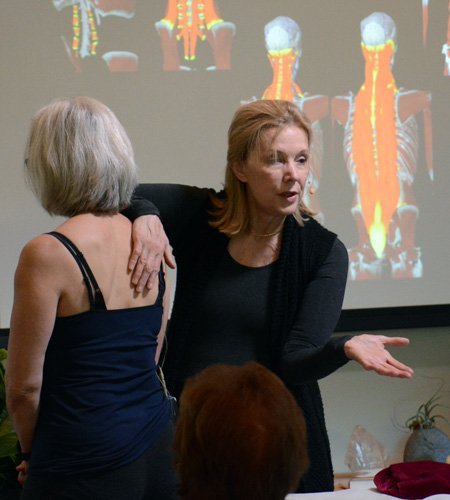
- Demonstration sessions live with real-time commentary.
- Breakout supervised touch practice.
-
- Daily Training Video ― links to review in your own time
- Color Manual ― 200 pages in paperback and online in FlipBook format
- Lecture slides ― online FlipBook format
✅ Personal Development― Personal sessions and consultations are not included in the tuition fee
-
- Six personal NATouch therapy sessions with a NATouch-approved session provider
- Eight consultation credits ― individual, group, mentored hands. Ongoing closed groups
For questions about the training
Please get in touch with Michelle Mullooly
Foundation Training Tuition Fees
Includes printed NATouch manual (220 pages)
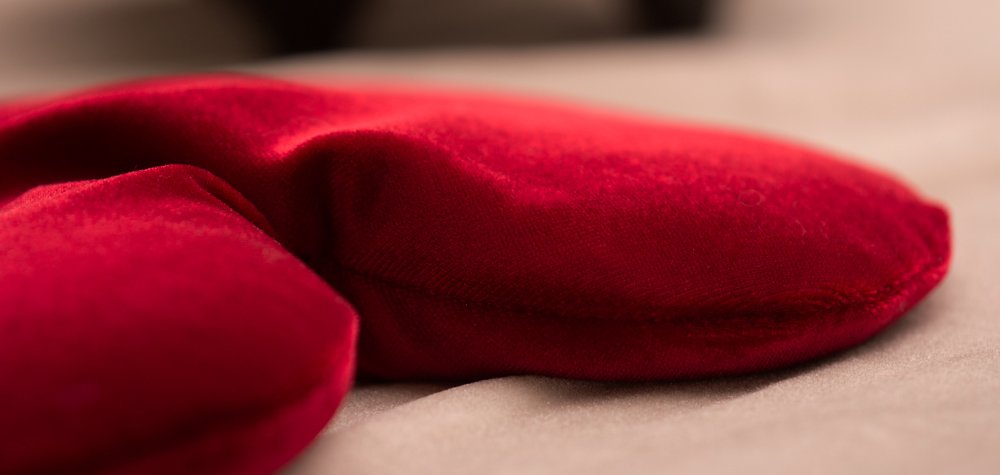
and starter set of Nurture to Heal Therapeutic pillows
All prices USD
We offer flexible plans to support your investment in this journey:
- Pay in Full – $5587
A simple one-time payment. Receive two free half-day advanced trainings with Aline (pre-recorded or live), with our thanks for your payment in full - 6-Month Plan – $987/month
A balanced option that allows you to spread your tuition across six months (includes an installment fee). Total: $5922 - 9-Month Plan – $677/month
Our most flexible plan, with lower monthly payments spread over nine months (includes an installment fee). Total: $6093
Training Schedule
Parts 1 + 2
Day 1
09:00—10:00 Registration
10:00—06:30 Training
Days 2—5
09:00—06:30
Day 6
09:00—04:00
* Please note: Personal sessions are available in the mornings before the training, at noon, and in the evenings. Personal session fees are not included in your tuition. Session fees are payable directly to the providers.
Admission
Admission process:
- Application. We may request a short conversation with you to ensure the training is a good fit.
- Registration. Once your application is approved, you will receive a registration link.
- Tuition. Once your registration has been reviewed, you will receive the tuition link. Your place in the training is not reserved until we have received your tuition.
Training Dates
| Part 1 Healing the Relational Matrix | Jan 29 ― Feb 3, 2027 |
| Part 2 Renegotiating the Capacity for Social Engagement | May 21 ― 26, 2027 |
Faculty
Dr. Aline LaPierre
Admissions and Training Coordinator
Michelle Mullooly michelle@neuroaffectivetouch.comTraining Location
Los Angeles/Brentwood
California 90049
Contact Phone: 424-625-5893
Schedule
| See Above |
Review Videos
Students receive links to the videos of the training modules. For ease of viewing, video chapters are titled according to subject: lectures, demos, practice debrief, and Q&A. The video links are active for three years from the end of your training.